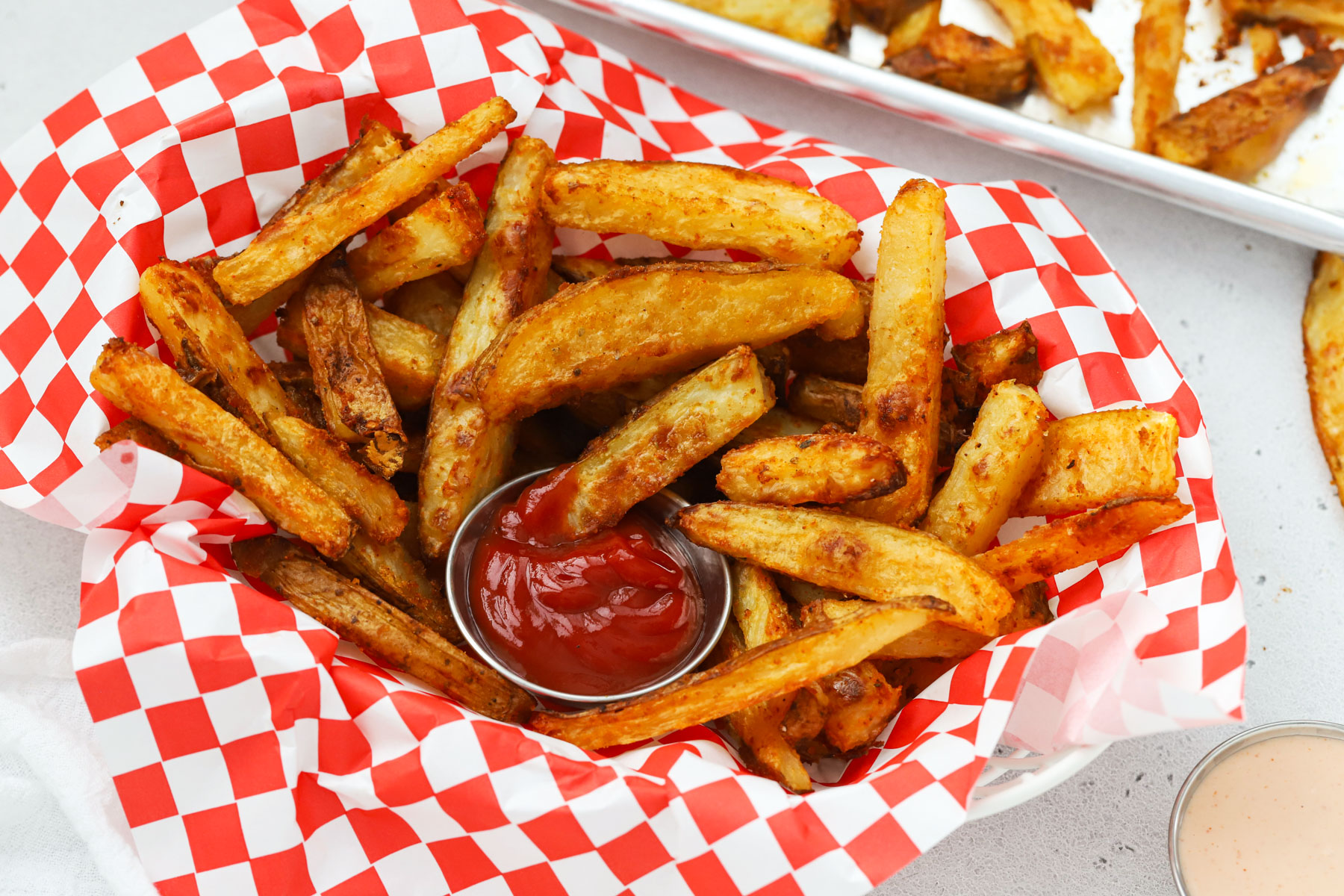
Unlocking the Secret to The Crispiest Oven Fries You've Ever Tasted
The quest for the perfect fry is a culinary journey many embark on, often ending in disappointment when trying to recreate that elusive restaurant-quality crispness at home, especially without a deep-fryer. Too often, oven-baked fries emerge from the heat a pale imitation: soft, flabby, and utterly lacking that satisfying crunch. But what if we told you that achieving the crispiest oven fries imaginable is not only possible but entirely within your grasp, requiring just a few clever techniques and a touch of patience?
Forget everything you thought you knew about baking fries. This comprehensive guide will delve deep into the science and art behind truly spectacular oven fries, transforming your potato experience from bland to brilliant. We're not just talking about 'pretty good' fries; we're talking about fries so incredibly crispy on the outside and fluffy on the inside that you'll swear they were deep-fried. Get ready to elevate your side dish game and finally master the crispiest oven fries that will have everyone begging for your secret.
The Foundational Principles of Perfect Crispness
Before we dive into the steps, understanding the core principles that dictate crispiness is crucial. It’s a delicate dance between moisture, starch, and heat. Master these, and you're well on your way to oven fry perfection.
- Starch Management: Potatoes are rich in starch. When heated, starch molecules absorb water and swell (gelatinization). Excess surface starch, however, can lead to a gummy exterior. Removing some of this starch is key to a light, crispy crust.
- Moisture Control: Water is the enemy of crispiness. As the fries cook, surface moisture evaporates, creating a dry exterior. The more effectively you remove surface moisture *before* and *during* cooking, the crispier your fries will be.
- Fat for Flavor & Texture: A thin layer of fat not only conducts heat efficiently, promoting even browning and crisping, but also contributes to that coveted golden-brown color and rich flavor via the Maillard reaction.
Choosing Your Potato and Mastering the Cut
The foundation of any great fry begins with the right potato and a consistent cut. These initial choices profoundly impact the final texture and taste of your oven fries.
The Best Potatoes for Oven Fries
Not all potatoes are created equal, especially when it comes to crisping up in the oven. The ideal potato for fries is one that is high in starch and low in moisture.
- Russet (Idaho) Potatoes: These are the undisputed champions for fries. Their high starch content and relatively dry flesh mean they crisp up beautifully while remaining wonderfully fluffy on the inside. They are less likely to become soggy or gluey.
- Yukon Gold Potatoes: A good secondary option. While not as starchy as Russets, they offer a creamy interior and a nice golden hue when baked. They can achieve good crispiness, but may require a bit more attention to moisture removal.
Avoid waxy potatoes like red bliss or new potatoes, as their high moisture content and low starch will result in soft, soggy fries rather than the crispiest oven fries you're aiming for.
Precision Cutting: The Path to Even Cooking
Consistency is key. Whether you prefer thick-cut steak fries or thin, delicate shoestring fries, make sure each piece is roughly the same size and thickness. This ensures they cook evenly, preventing some pieces from burning while others remain undercooked and soft.
- Cut potatoes into ¼-½ inch thick batons. For shoestring fries, aim for ⅛-inch thickness.
- A mandoline can achieve incredibly uniform cuts, but a sharp knife and steady hand work perfectly too.
- The greater the surface area, the more opportunities for crisping. However, super thin fries can burn quickly, so find your sweet spot.
The Essential Steps for Unparalleled Crispiness
This is where the magic truly happens. Following these steps diligently will ensure you achieve the crispiest oven fries every single time.
Step 1: The Transformative Soak & Blanch
This two-part process is arguably the most critical for achieving maximum crispness.
- Soak: Once cut, immediately transfer your potato batons to a large bowl of cold water. Let them soak for at least 30 minutes, or even better, 2-3 hours, or overnight in the refrigerator. This draws out excess surface starch, which contributes to a gummy texture and prevents browning. Change the water a few times if soaking for a long duration until it runs mostly clear.
- Blanch: Drain the soaked potatoes thoroughly. Bring a large pot of lightly salted water to a rolling boil. Add the potatoes and blanch them for 5-7 minutes, or until they are slightly tender but still firm enough to hold their shape (al dente). This pre-cooks the interior, ensuring it becomes wonderfully fluffy later, and further breaks down starches for better crisping. For more detailed insights into the initial potato preparation, be sure to check out the crispiest oven fries - Article 1.
Step 2: The Crucial Drying Phase
Remember: moisture is the enemy of crispiness. This step cannot be rushed or skipped.
- After blanching, drain the potatoes thoroughly in a colander.
- Spread them out in a single layer on a clean kitchen towel or several layers of paper towels.
- Gently pat them completely dry. Seriously, get them as dry as possible. Any residual moisture will steam rather than crisp. Allow them to air dry for another 10-15 minutes if you have the time, or even place them in the fridge uncovered for 30 minutes to further dry the surface and cool them down.
Step 3: The Right Fat and Even Coating
Once your potatoes are perfectly dry, it's time for the fat. Choose a neutral oil with a high smoke point.
- Best Oils: Avocado oil, grapeseed oil, canola oil, or light olive oil are excellent choices. Melted animal fats like duck fat or beef tallow will impart incredible flavor and crispness but are optional.
- Coating: In a large bowl, toss the completely dry potato batons with 1-2 tablespoons of your chosen oil. Ensure every single fry is lightly and evenly coated. You don't want them dripping in oil, just a thin film. Season generously with salt and pepper at this stage.
Step 4: High Heat and Strategic Baking
Temperature and proper oven technique are paramount for achieving golden-brown perfection.
- Preheat the Baking Sheet: Place your empty baking sheet (or two, if making a larger batch) into the oven while it preheats to 425-450°F (220-230°C). A preheated sheet provides immediate high heat contact, shocking the potatoes and jump-starting the crisping process.
- Single Layer Spread: Carefully remove the hot baking sheet from the oven. Spread the oiled potatoes in a single, uncrowded layer on the hot sheet. This is absolutely crucial. Crowding the pan will cause the potatoes to steam instead of roast, leading to soggy results. Use two sheets if necessary.
- Bake and Flip: Bake for 20 minutes, then carefully flip the fries using a thin spatula or tongs. Continue baking for another 15-25 minutes, flipping every 10 minutes or so, until they are deep golden brown and wonderfully crispy. Cooking time will vary based on thickness and oven calibration.
Advanced Tips and Troubleshooting for The Crispiest Oven Fries
Even with the best techniques, a few extra tips can push your fries from great to truly extraordinary.
Don't Crowd the Pan!
We cannot stress this enough. This is the number one mistake people make. Potatoes release moisture as they cook. If they are packed too tightly, that moisture gets trapped, creating steam and preventing browning and crisping. Always give your fries plenty of space to breathe and roast.
The Power of a Preheated Baking Sheet
As mentioned, starting your fries on a piping hot surface gives them a significant head start on crisping. It mimics the initial high heat of deep-frying, creating that immediate crust.
When Things Go Wrong: Common Oven Fry Woes
- Soggy Fries: Almost always due to insufficient drying, overcrowding the pan, or not blanching properly. Revisit Step 1 and Step 2 with extra diligence, and ensure you use multiple baking sheets if needed.
- Burnt but Soft: This usually indicates too high a heat without enough pre-cooking. The outside burns before the inside gets tender. Blanching longer (Step 1) and ensuring your oven temperature is accurate can help.
- Lack of Flavor: Don't be shy with the salt! Season generously before baking, and consider a final sprinkle of flaky sea salt immediately after they come out of the oven.
If you're looking for creative twists and gourmet pairings to elevate your homemade fries, then our guide on the crispiest oven fries - Article 3 is a must-read.
Conclusion: Your Crispy Fry Journey Awaits
Creating the crispiest oven fries is a triumph of technique over tradition. By understanding the roles of starch and moisture, meticulously preparing your potatoes through soaking and blanching, ensuring thorough drying, and employing high heat with ample space, you can achieve a homemade fry that rivals, if not surpasses, its deep-fried counterparts. This isn't just a recipe; it's a methodology that guarantees perfectly golden, impossibly crispy exteriors and wonderfully fluffy interiors every single time. So, gather your potatoes, embrace these expert tips, and prepare to delight your taste buds with the ultimate oven-baked fries – a truly game-changing culinary experience awaits you.
